
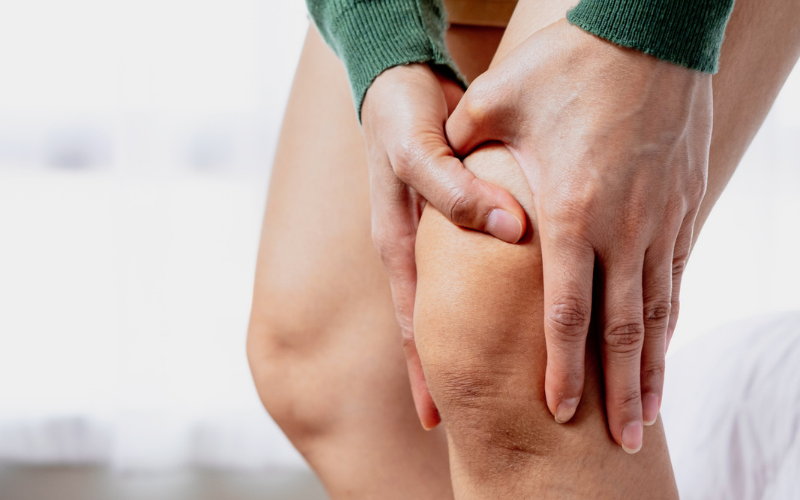
An unstable knee can significantly impair everyday life. Uncertainty when walking, difficulty climbing stairs, or the feeling that the knee joint suddenly gives way can also persist after surgery. Chronic instability of the knee joint after an operation It requires a targeted approach to joint function and muscular stabilization. Physiotherapy supports those affected in gradually improving mobility, strength, and movement control. The PTA Center Stuttgart is a resource for patients who want to learn about the available options for physical therapy treatment.
What does chronic knee instability mean?
The knee joint is stabilized by ligaments, muscles, tendons, and the articular surfaces. After injuries or surgical procedures, such as those to the cruciate ligaments or menisci, the stability may be impaired. Chronic instability is characterized by persistent feelings of uncertainty or actual bending of the knee over a prolonged period of time.
Possible causes include residual ligament instability, reduced muscle strength, impaired neuromuscular control, or functional deficits following prolonged rest. Pain and swelling can also impair the activation of the thigh muscles.
Typical complaints include uncertainty when changing direction, difficulty on uneven surfaces, and reduced endurance during everyday activities or sports. A medical examination is important to distinguish between structural causes of functional limitations.
What role does physiotherapy play after knee surgery?
The physiotherapeutic treatment is based on the type of intervention, the healing process, and the individual complaints. The goal is to improve the function of the knee joint and adapt the load-bearing capacity to the personal requirements.
Possible treatment areas include:
- Muscle building: Targeted strength training for the thigh and hip muscles supports the dynamic stabilization of the knee.
- Coordination and balance: Functional exercises improve control of the leg axis and reaction time during movements.
- Mobility: Restrictions in knee flexion or extension are treated within the framework of medical guidelines.
- Walking and functional training: Everyday movements such as climbing stairs, getting up and walking are gradually trained.
- Load control: The training intensity is adapted to the current performance level and the knee joint's response.
After an operation, all measures must take into account the healing conditions of the operated structures and the medical workload requirements.
Why is individual training important?
Chronic knee instability cannot be treated with a uniform exercise program. It is crucial to determine whether the symptoms are caused primarily by functional deficits or by structural instability.
Targeted physical therapy can help improve muscle strength, movement control, and safety in everyday activities. If there is continued pronounced flexion of the knee or the situation worsens, a re-evaluation by a physician should be performed.
Physiotherapy for knee instability in Stuttgart
Chronic knee instability can limit quality of life and confidence in one's ability to move. Individually tailored rehabilitation helps identify and target functional deficits.
The PTA Center Stuttgart is a one-stop-shop for patients who are seeking physical therapy support after knee surgery. Do you still feel insecure when walking or under stress after an operation? Contact the PTA Center Stuttgart and find out about the possibilities of physiotherapy support.
Note: This article is for general information purposes only and does not replace a medical examination or individual therapy recommendations.
Author: Jerry Nkamanyi Chappi, Physiotherapist
We are happy to be there for them!
PHONE
+49 (0)711 912 891 36
Mobile: +49 15563740142
ADDRESS
Kriegerstrasse 3,
70191 Stuttgart